

In recent years, golf has ceased to be perceived solely as a sport of precision or strategy to also become a benchmark within health and longevity studies. More and more experts are highlighting the benefits of this discipline not only at a physical level, but also at a mental and social level.
One of the main reasons is the type of effort involved in playing golf. During a full round, the player walks several kilometers to a constant and moderate rhythm, which makes this activity a smooth but sustained cardiovascular exercise. Unlike more explosive sports, golf allows the body to remain active without sudden impacts, something especially relevant with the passing of the years.
But profit is not limited to physical movement. Golf requires constant attention, planning and decision-making in each goal. This combination of concentration and strategy has a positive effect on cognitive activity, since the player is forced to analyze situations, anticipate results and manage the pressure continuously. It is, in a certain way, a mental exercise as important as the physical one.
To this is added a factor that often goes through height: the environment. Playing in natural spaces, surrounded by vegetation and tranquility, has a direct impact on emotional well-being. Numerous studies have shown that contact with nature reduces stress, improves the state of soul and favors mental recovery. In this sense, courses such as Fontanals Golf Club offer a particularly favorable environment, where the combination of landscape, silence and spaciousness contributes to an experience of disconnection difficult to find in other sports.
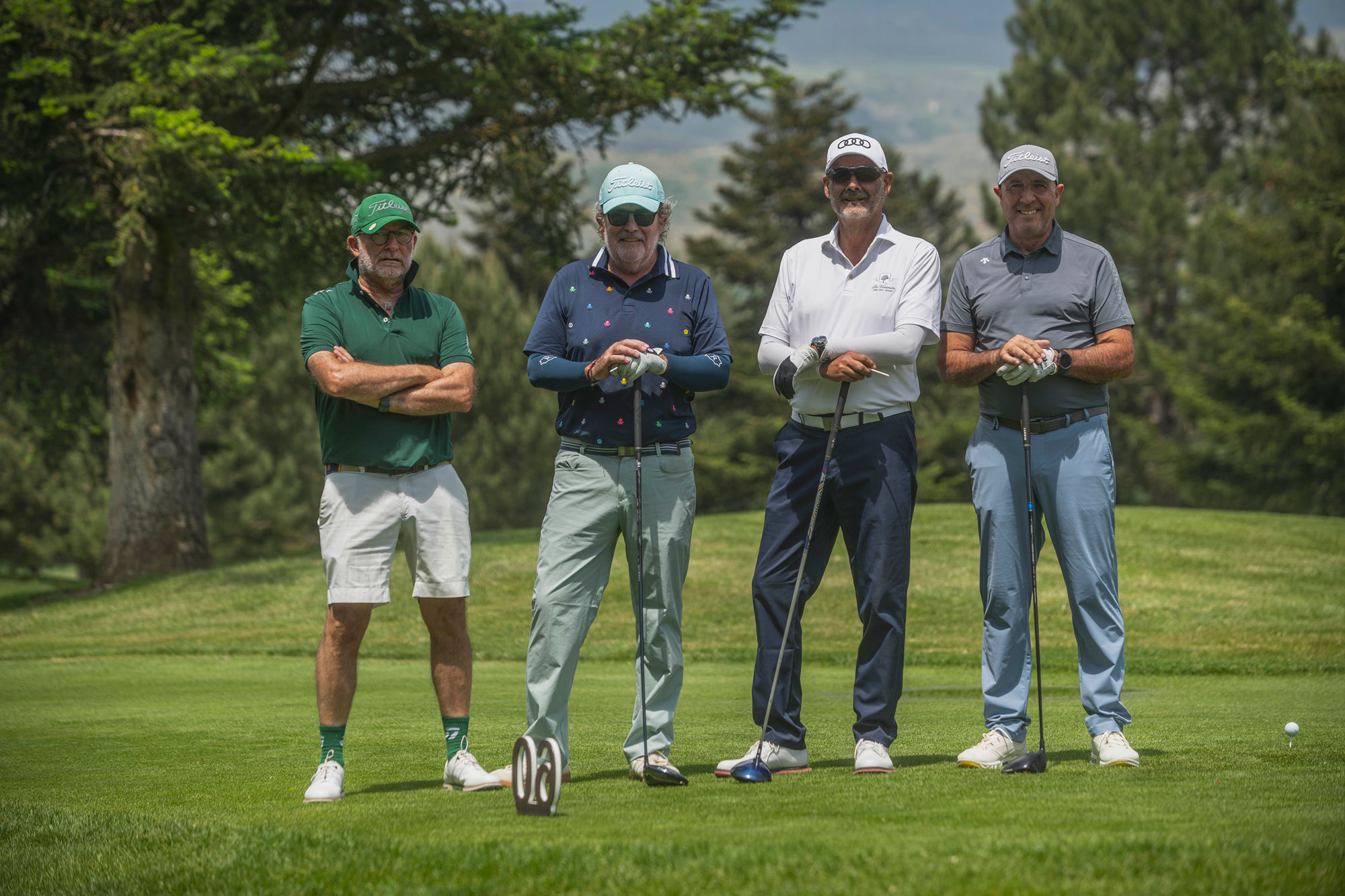
Another key element is the social component. Golf is not a solitary activity. It is played in company, time is shared and conversations are generated that, in many cases, extend beyond sport itself. This social interaction is especially important from certain ages, where keeping active links contributes significantly to the quality of life.
It is not surprising, however, that golf is becoming increasingly common in studies related to active ageing. It is not an exaggerated affirmation, but a reality supported by the combination of movement, mental stimulus, nature and social relationship.
Golf, in short, does not only help to live more, but to live better.